Activated carbon is one of the most widely used adsorbents in various industries and plays a key role in the absorption of gases and vapors. One of the most important criteria for assessing the quality and effectiveness of activated carbon is its ability to absorb carbon dioxide (CO₂) . Several international standards have been developed to measure this property, including ASTM D3838 , the recognized reference method.
The importance of activated carbon in carbon dioxide absorption
Carbon dioxide is widespread in industry and the environment. The absorption of this gas by activated carbon is important in many areas:
-
Quality control of activated carbon : Carbon dioxide adsorption capacity is an important indicator for measuring the amount of micropores in the carbon.
-
Environmental application : Used to reduce greenhouse gas emissions and filter industrial gases.
-
Food and beverage industry : Used to purify carbon dioxide used in soft drinks or fermentation processes.
-
Chemical processes : separation or temporary storage of gas.
Thus, the determination of carbon dioxide adsorption capacity is an indirect but accurate method for testing the quality and efficiency of activated carbon.
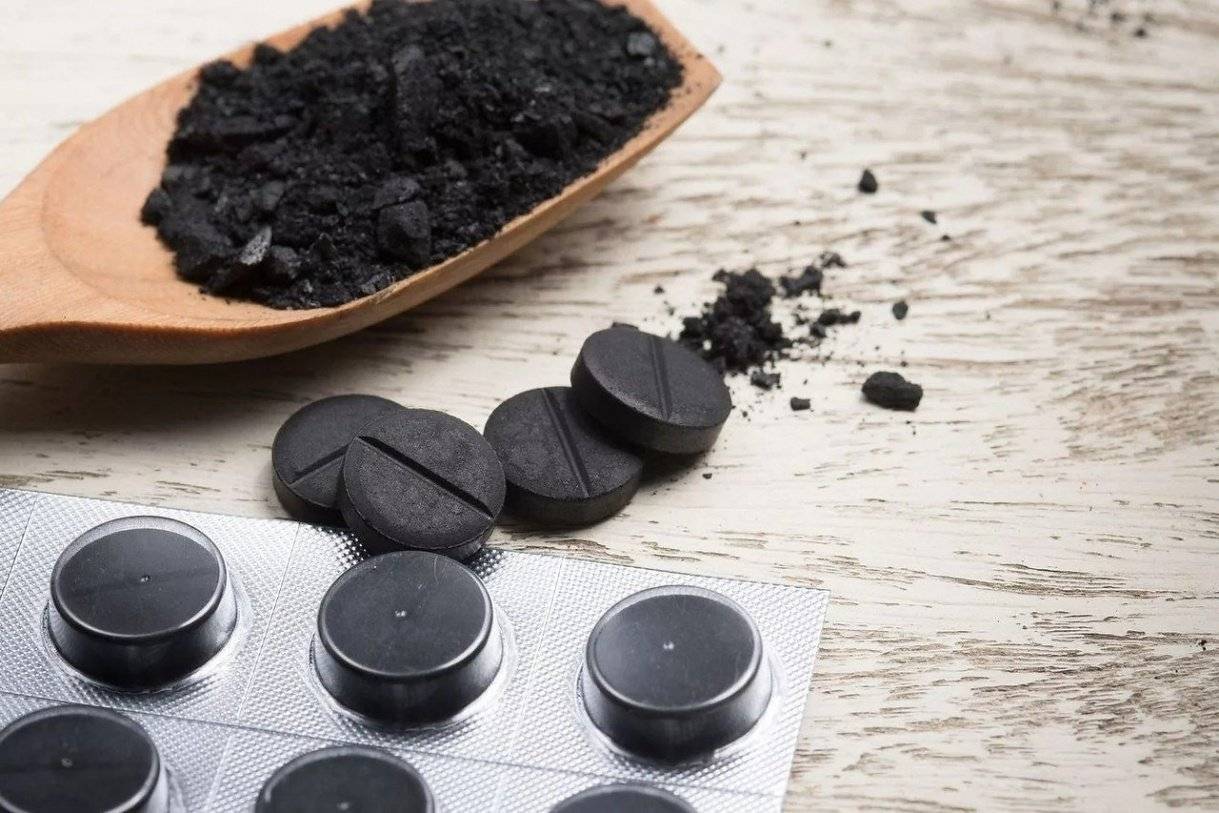
Introduction to ASTM D3838
The original version of ASTM D3838 (Standard Test Method for pH of Activated Carbon) also addressed pH, but the revised version uses it specifically to measure the ability of activated carbon to absorb carbon dioxide.
This standard provides an accurate, reproducible, and comparable method for measuring carbon dioxide adsorption capacity under laboratory conditions. ASTM D3838 is a useful tool for manufacturers, consumers, and researchers who want to evaluate the performance of different types of activated carbon.
Principle of ASTM D3838 test method
The ASTM D3838 test method is based on the carbon dioxide absorption equation . The key steps are as follows:
-
Sample preparation : Select a specific amount of dry activated carbon without impurities.
-
Conditioning : Samples are typically dried at a temperature that removes any previously absorbed moisture or gases.
-
Carbon dioxide exposure : The sample is exposed to a stream of carbon dioxide under controlled pressure and temperature.
-
Determination of absorption rate : A decrease in carbon dioxide concentration or an increase in the weight of activated carbon is used as an indicator of absorption capacity.
-
Data analysis : The adsorption capacity is expressed in milligrams or cubic centimeters of carbon dioxide absorbed by one gram of activated carbon.
Frequently asked questions about granulated activated carbon
Equipment required for the test
To accurately perform tests according to ASTM D3838, the following equipment is required:
-
Adsorption analysis instruments or systems specifically designed for carbon dioxide testing.
-
Precise scale for measuring the weight change of activated carbon.
-
Pure carbon dioxide cylinders with controlled pressure and flow.
-
Dryer or oven for sample preparation.
-
Software for electronic control and thermal analysis .

Factors influencing carbon dioxide absorption capacity
The ability of activated carbon to absorb carbon dioxide depends on its structural properties and the test conditions. The most important of these factors are:
-
Specific surface area and micropore volume : The larger the micropores, the higher the absorption capacity.
-
Raw material type : Coconut shell charcoal generally absorbs carbon dioxide more effectively than charcoal.
-
Activation method : The final capacity is influenced by physical (steam) or chemical (acid/alkali) activation.
-
Test temperature : Carbon dioxide absorption is an exothermic process. The lower the temperature, the higher the absorption capacity.
-
Particle size : Small particles provide a larger surface area and increase absorption capacity.
Advantages of using ASTM D3838
-
Generally accepted standard method for comparing the quality of activated carbon.
-
High accuracy and repeatability under controlled laboratory conditions.
-
Widely used in scientific research, quality control and selection of absorbent materials.
-
This is directly related to the actual efficiency of the activated carbon in the gas adsorption process.
Test limits
While this approach offers many advantages, it also has some limitations:
-
It is only suitable for assessing the ability to absorb carbon dioxide and cannot directly predict the absorption of other gases.
-
This requires precise and expensive laboratory equipment.
-
The sample preparation conditions or the purity of the gas may influence the results .
ASTM D3838 test results for industrial applications
The results of this test are used in various areas, including:
-
Activated carbon production : as an indicator of quality control in production plants.
-
Choose the right absorption material : Suitable for the oil, gas and petrochemical industries where acid gases or carbon dioxide need to be absorbed.
-
Research and development : Research on new carbon-based adsorbents.
-
Supplier comparison : Industrial buyers can evaluate offered products based on the standard absorption capacity.
-
Environmental application : development of systems to reduce greenhouse gas emissions.
Compared to other methods for measuring absorption capacity
-
BET method (Brunauer-Emmett-Teller) : More commonly used to measure the specific surface area rather than the specific adsorption capacity of CO2.
-
Nitrogen equation (N₂ uptake) : gives general information on porosity, but is not accurate enough for small pores.
-
Similar standards such as ISO 15901 provide similar results, but ASTM D3838 is simpler and more widely used.
Finally
The ASTM D3838 test is one of the most important laboratory tools for measuring the carbon dioxide absorption capacity of activated carbon . This test provides an accurate and reproducible method for assessing the quality of activated carbon and comparing different types.
Given the importance of reducing carbon dioxide emissions and improving gas absorption processes, the use of this standard is crucial for improving product quality, selecting appropriate absorption materials and increasing industrial productivity.