Activated carbon is one of the most effective and widely used materials in water and air purification systems. Thanks to its porous structure and large surface area, activated carbon adsorbs a wide range of organic pollutants, heavy metals, and other compounds. Due to growing environmental concerns and stricter water quality requirements, the use of activated carbon has become an environmentally friendly solution.
In this article, we discuss the use of activated carbon for pollutant treatment, the associated environmental standards , and methods for its safe recovery and disposal.

1. What is activated carbon and how is it produced?
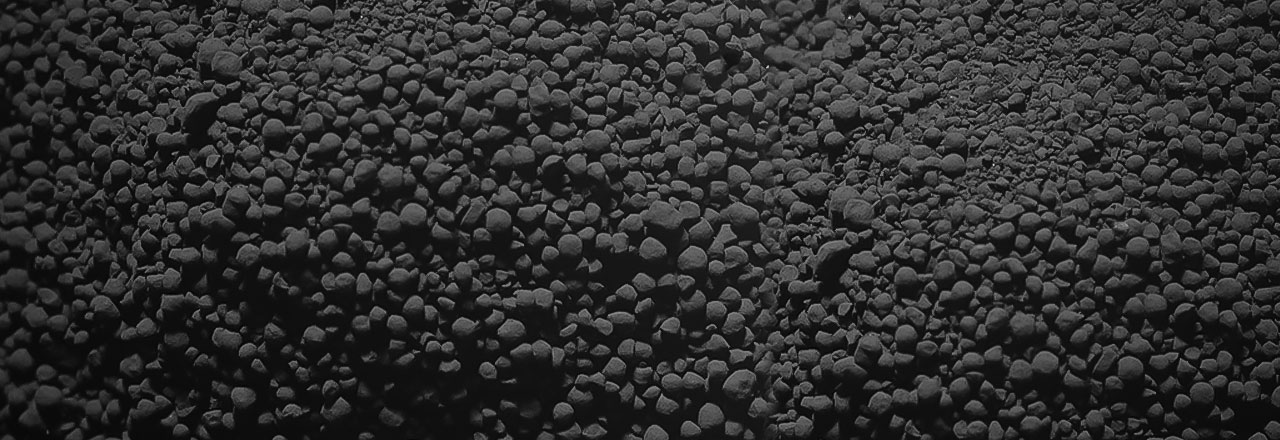
Activated carbon is a special type of carbon made from carbonaceous materials such as wood, coal, coconut shells, and polymers. It is processed at high temperatures in an oxygen-free environment. The production process consists of two steps:
-
Carbonization : The raw material is heated to 400–600 °C in an airless environment.
-
Activation : Steam or chemicals (such as phosphoric acid) create porosity and increase the absorption surface.
Types of activated carbon
-
Powdered activated carbon (PAC) : for the immediate treatment of water and wastewater.
-
Granulated activated carbon (GAC) : for use in stationary filters and flow-through systems.
-
Extruded activated carbon (EAC) : used to absorb chemical gases and vapors.
2. Activated carbon to protect the environment
a) Water and wastewater treatment
-
Removes chlorine, volatile organic compounds and dyes from drinking water.
-
Absorption of heavy metals such as lead , mercury and cadmium from industrial wastewater .
-
Reduction of pharmaceutical and hormonal contamination in hospital wastewater.
b) Purification of air and industrial gases
-
The chemical industry absorbs toxic fumes such as benzene, toluene and formaldehyde.
-
Reducing emissions of greenhouse gases such as methane and sulfur dioxide.
c) Handling of hazardous waste
-
Elimination of unpleasant odors in landfills .
-
Absorbs toxic compounds from contaminated soil.

3. Environmental regulations regarding activated carbon
The use of activated carbon in various industries must comply with national and international standards . The most important of these standards are:
a) Water quality standards (Environmental Protection Agency and WHO)
-
US Environmental Protection Agency (EPA) :
-
Maximum permissible concentrations of volatile organic compounds (VOCs) in drinking water.
-
The use of GAC is mandatory in municipal water treatment systems.
-
-
World Health Organization (WHO) :
-
Limitations of the use of activated carbon in the absorption of pesticides and herbicides.
-
b) Air quality standards
-
European Union Directive :
-
Use of activated carbon to absorb benzene vapors in industrial air.
-
-
Air pollution standards in Iran :
-
Activated carbon filters should be installed in chimneys in the petrochemical industry .
-
c) Rules for the processing and disposal of activated carbon waste
-
Safe disposal of coal containing heavy metals (according to the US Resource Conservation and Recovery Act ).
-
Thermal activation : Return of activated carbon to the recycling cycle.
4. Environmental problems and solutions through activated carbon
Although activated carbon is an effective material for cleaning pollutants, its excessive use and improper disposal can lead to problems:
a) Saturation and loss of efficiency
-
Over time, the carbon pores become clogged and must be replaced or renewed .
-
Solution :
-
Use the online monitoring system to determine when it’s time for a replacement.
-
Thermal utilization of residual carbon .
-
b) Removal of activated carbon contaminated with heavy metals
-
Activated carbon used in industrial wastewater treatment may contain cadmium, mercury, and arsenic .
-
Solution :
-
Chemical cleaning for metal separation.
-
Disposal of hazardous waste at specially designated sites .
-
c) Energy consumption in the production process
-
The production of activated carbon requires large amounts of energy.
-
Solution :
-
Use recycled materials such as coconut shells.
-
To improve activation, use low-consumption catalysts .
-
5. The future of activated carbon in the green industry
With technological advances, new generations of activated carbon are being developed:
 Nanoactivated carbon : absorbs micropollutants more effectively.
Biological activated carbon : uses bacteria to improve efficiency.
Nanoactivated carbon : selectively absorbs heavy metals.
6. Conclusion
Activated carbon is a highly effective and flexible material for controlling air and water pollution, but it must be used in compliance with environmental regulations . With proper recycling and disposal of spent carbon, activated carbon can be a sustainable and cost-effective solution for numerous industries .