Activated carbon fibers (ACF) are among the most advanced adsorption materials for numerous industries and combine the unique properties of activated carbon and fiber structure. Their large surface area, high adsorption capacity and excellent performance in harsh conditions make them the ideal choice for a wide range of applications: from water and air purification to personal protective equipment, the chemical, pharmaceutical and new energy sources.
In this article, we will learn more about the structure, properties, manufacturing processes, applications, and benefits of activated carbon fiber.

What is Activated Carbon Fiber ?
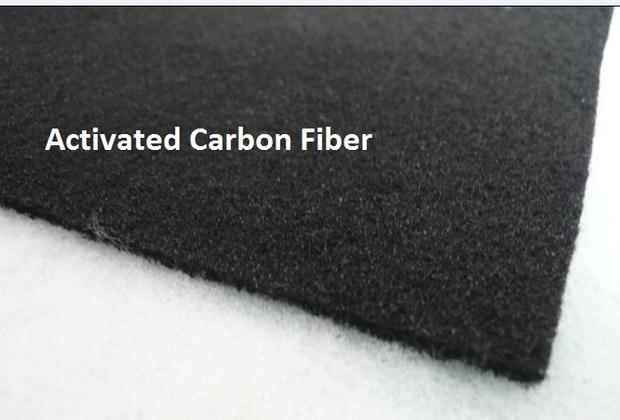
Activated carbon fibers (ACF) are porous adsorption materials made of organic fibers (such as viscose, polyacrylonitrile, or bitumen) that are converted into a highly porous carbon structure through heat treatment and activation. Unlike powdered or granulated activated carbon, ACF fibers are produced with a diameter of nanometers to micrometers. This fiber structure significantly increases the specific surface area and the adsorption rate.
ACF Production Process
The production process of activated carbon fibers is essentially divided into three phases:
-
Pre-oxidation (fixation)
In this step, organic precursors such as viscose or PAN (polyacrylonitrile) are fixed to air at 200–300 °C to prepare the molecular structure for the next step. -
Carbonization:
The stabilized material is heated to a high temperature (about 800–1000°C) in an anaerobic environment to remove non-carbon elements (such as hydrogen, nitrogen, and oxygen) and form a stable carbon structure. -
The final step is activation
, which is carried out at temperatures of 800–1000 °C with steam or oxidizing gases such as carbon dioxide to create micro- and nanopores on the surface of the fibers.
Basic Properties of Activated Carbon Fibers
Due to their unique structure, activated carbon fibers have the following properties:
-
The specific surface area is very large: 1000 to 2500 m2/g, which is higher than most conventional activated carbons.
-
Uniform pore distribution: consists mainly of micropores (less than 2 nm), which can effectively absorb small molecules.
-
Fast absorption: Due to the very low thickness of the fibers (a few microns), the contact time of the gas or liquid with the absorbent surface is reduced.
-
Recyclability: Can be regenerated and reused by heating or vacuum treatment.
-
Chemical and thermal resistance: resistant to acids, alkalis and high temperatures.
-
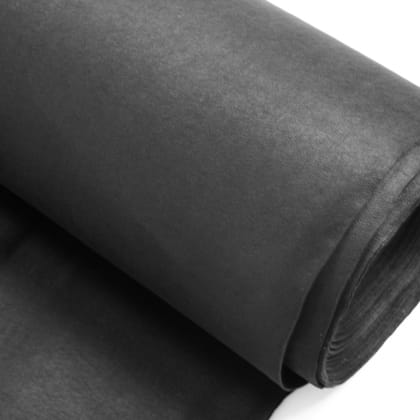
Versatile Design Options: Can be made of fabric, felt, cloth or non-woven fabric for filter or portable applications.
Industrial and commercial applications
Activated carbon fibers are widely used in various industries due to their high absorption efficiency:
1. Air and gas purification
In the semiconductor, petrochemical, and oil refining industries, air purifiers are used to remove volatile organic compounds (VOCs), toxic fumes, odors, and hazardous gases such as ammonia, chlorine, benzene, and toluene.
2. Water purification
In municipal and industrial water treatment filters, activated carbon fiber (ACF) has a high absorption capacity for chlorine, organics, heavy metals, and even dissolved pharmaceuticals. Thanks to its high absorption rate, it is also effective in high-flow systems .
3. Protective clothing and personal protective equipment
Due to its light weight and ability to absorb toxic gases, ACF is used in respirators, chemical suits, military filters, and emergency rescue equipment.
4. Medical Use
In medicine, ACF is used in antimicrobial dressings, filters for dialysis machines and for the absorption of harmful drugs in the gastrointestinal tract.
5. Energy storage
Activated carbon fibers are used in the production of supercapacitors, lithium-ion batteries, and the storage of hydrogen or methane due to their large surface area and good electrical conductivity.
Advantages of ACF over traditional activated carbon
| Feature | Activated carbon fiber | granular activated carbon |
|---|---|---|
| Special level | Very high (up to 2500 m²/g) | Average (up to 1500 m²/h) |
| Absorptionsrate | higher | Half |
| Malleability | Upper (fiber and fabric) | A little |
| Reaction time | short | Full |
| Can be used with face masks and microfilters. | And | NO |
Problems and limitations
Although ACF offers many advantages, there are also some limitations:
-
High cost: Due to the complex production process and high energy consumption, the total cost is higher than traditional activated carbon.
-
Sensitivity to mechanical stress: Microfibers can be damaged by extreme pressure.
-
Special design required: In some cases, the use of ACF requires a different design of the filtration system.
The future of activated carbon fibers
With the development of nanotechnology and the increasing demand for lightweight and efficient absorption materials, the use of ACF materials in industry is expected to increase. In particular, these materials will play a key role in new areas such as indoor air purification (e.g. on space stations), the development of next-generation batteries and biomedical applications.
At last
Thanks to their large adsorption surface, fast reaction rate, light weight and chemical stability, activated carbon fibers are an excellent choice for adsorption, filtration and personal protective equipment. Despite the relatively high production costs, their advantages are evident in sensitive and complex applications where high efficiency is crucial. The promising future of this material in modern industry makes it one of the most important innovations in materials science in recent decades.