Bamboo wood is one of the most important natural resources in the world, which is used as raw materials for the production of activated carbon. In this article, we will explore the characteristics and importance of bamboo wood in activated carbon production and explore its benefits and applications in various industries.

Introduction
Activated carbon is one of the important adsorbents used in many industrial and medical applications. Due to its special structure, it has a high absorption ability and can absorb both organic and inorganic substances from the climate. Bamboo wood is one of the main sources of activated carbon production due to its special characteristics.
Features of bamboo wood
Bamboo wood has several unique characteristics that make it an ideal raw material for the production of activated carbon:
- High growth rate: Bamboo is one of the fastest growing plants in the world. Some species of bamboo can grow up to 90 cm per day.
- Porous Structure: Bamboo wood has a porous structure, which makes it have a very high absorption capacity after being converted into activated carbon.
- Environmental sustainability: Bamboo is a renewable material whose use helps conserve natural resources. Unlike trees, which require years of growth, bamboo can regenerate quickly.
Process of producing activated carbon from bamboo wood
The production of activated carbon from bamboo wood involves several steps:
- Pretreatment: Bamboo wood is first crushed into smaller pieces and then carbonized at high temperatures.
- Activation: Next, the carbon produced from bamboo is activated under chemical or thermal processes. These processes create holes and a larger surface area in the carbon structure, which increases its absorption capacity.
- Purification: Finally, the activated carbon produced is cleared of any impurities and packaged in powder or small granules.
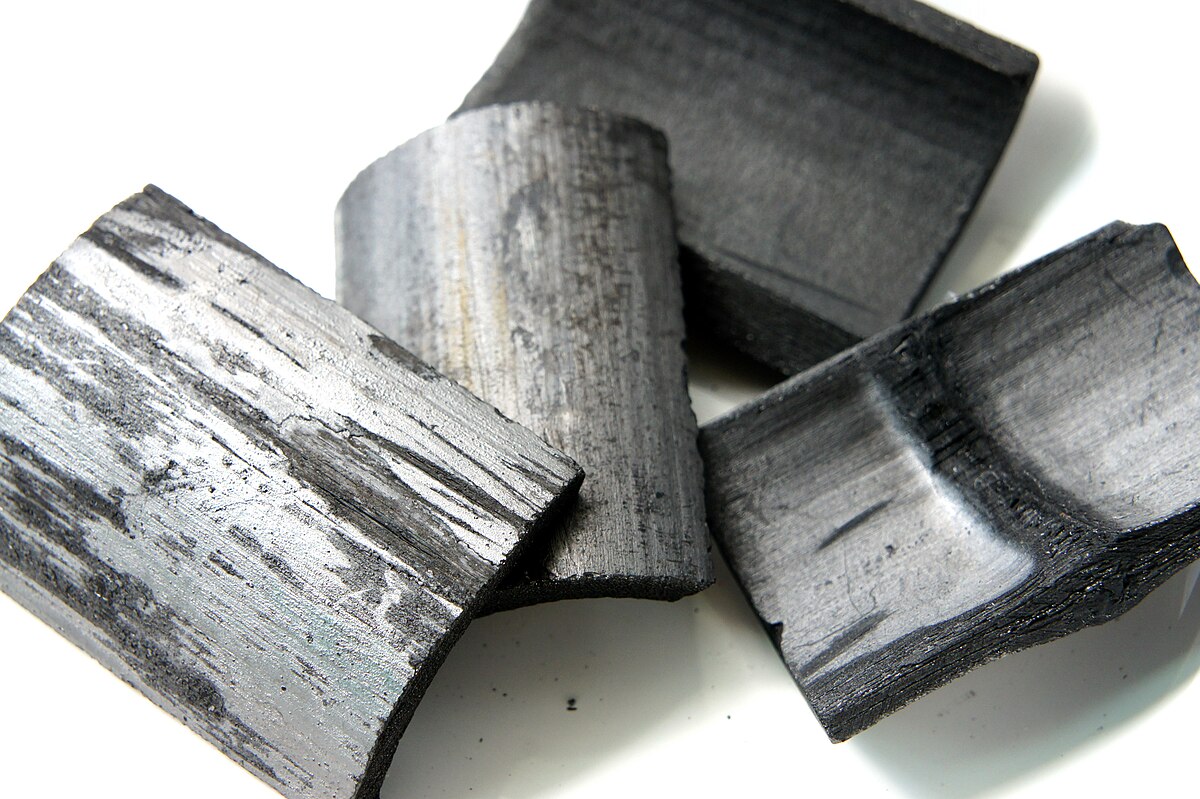
Benefits and Applications of Bamboo Activated Carbon
Activated carbon produced from bamboo wood has many advantages:
- High Efficiency: Due to the porous structure of bamboo, the activated carbon produced from it has a very high absorption capacity.
- Environmental sustainability: Using bamboo as a raw material helps conserve natural resources and reduce pressure on forests.
- Variety of Applications: Bamboo activated carbon is used in a variety of industries, including water purification, air purification, pharmaceutical and food manufacturing.
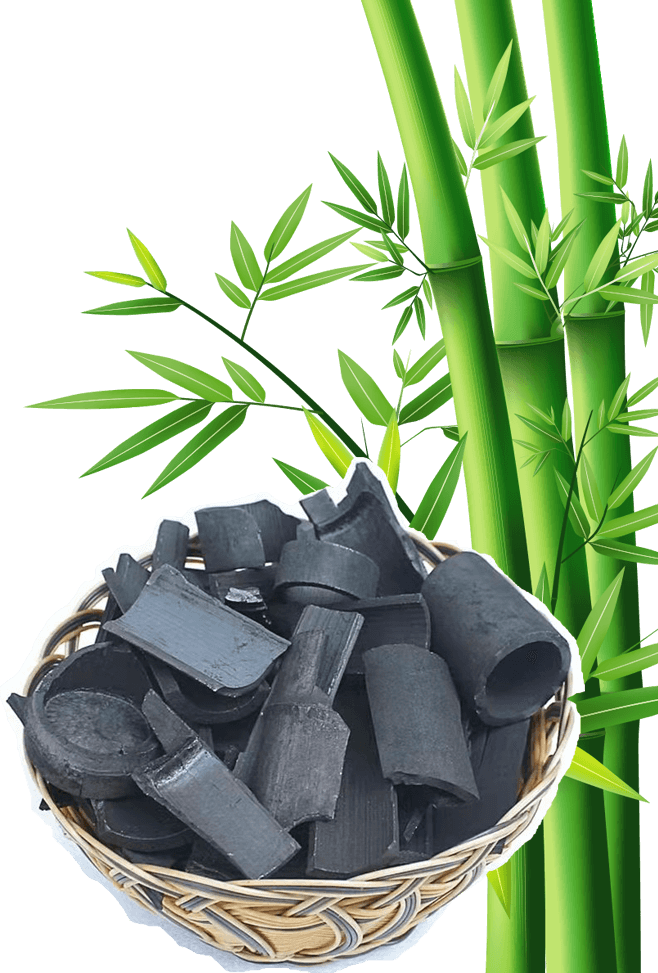
Applications of Bamboo Activated Carbon
- Water Treatment: One of the main applications of bamboo activated carbon is in water treatment. It can absorb organic and inorganic substances that pollute the water and produce clean and drinkable water.
- Air Purification: Bamboo activated carbon can absorb unpleasant gases and odors from the air, making the air fresher and cleaner.
- Pharmaceutical industry: In the pharmaceutical industry, activated carbon is used to produce tablets and capsules. It can absorb and release pharmaceutical substances over time.
- Food Industry: Activated carbon is used in the food industry to remove undesirable colors and flavors from food.
Conclusion
Bamboo wood is one of the main sources of activated carbon production due to its special characteristics. In addition to being environmentally sustainable, it has a high absorption capacity and is used in a variety of industries. Using bamboo wood as a raw material in the production of activated carbon can help conserve natural resources and reduce pressure on forests, leading to the production of high-quality products.