What is Decolorizing Carbon?
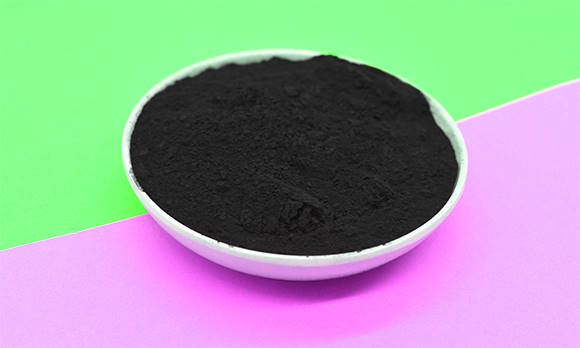
Decolorizing carbon is a finely ground activated carbon that is often used to decolor solutions. Small particles of decolorizing carbon provide a large surface area on which large dye molecules can adsorb.
The following products are used in the food industry.
Sugar Discoloration
Sugar products are made from cassava as a raw material and are converted into a solution of monosaccharides by enzymatic and aqueous electrolysis.
Some factories use hydrochloric acid and water electrolysis to produce monosaccharide solutions. The biggest difference is that the yellow pigment is produced through the hydrochloric acid process. The darker color than that of the enzyme method is the hidden pigment of HMF, so activated carbon not only discolors but also removes HMF and Fe.
Julian’s activated charcoal is the best choice for removing these contaminants.
https://carbons.ir/wp-content/uploads/oil-bleach-blue-tests.mp4
Sugar
For the decolorization of sucrose, customers choose a special activated carbon from Julien. Bituminous coal with a low ash and sulfur content is used as a raw material, and advanced technologies for grinding and regenerating briquettes are used. It is widely used in the sugar industry. Julene can add MgO to produce high-performance and stable magnesium oxide-based activated carbon for sugar decolorization.
Citric acid
Citric acid is an organic acid. The pigments in the acid are red and yellow. Julien’s activated charcoal can remove resin, egg whites, and paint.
Glycerin
In the production of biodiesel, palm oil forms a by-product of diesel fuel – glycerol. Our activated charcoal is able to remove macromolecular pigments and fats that are not completely removed during the glycerin purification process.
Starch syrup
The original syrup is relatively dark in color, so activated charcoal is needed to purify in the syrup liquid. The internal macropores and mesopores of wood-based activated charcoal are developed, and there are many pores. It can not only absorb pigment molecules, but also remove impurities and heavy metals from the sugar liquid.
Discoloration of plant extracts
Natural pigments are mainly extracted from plant tissues and microorganisms (crops) such as plant roots, stems, leaves, flowers, fruits, etc., which are sources of pigment extraction. Activated carbon powder can effectively remove pigments from liquids.