In recent years, many industries have increasingly focused on renewable and environmentally friendly resources. A key product in this field is activated carbon —a material with a large specific surface area and exceptional adsorption capacity, used in the water, air, food, pharmaceutical, and chemical industries.
Although activated carbon is traditionally made from coal, wood, or coconut shells, researchers are now looking for more environmentally friendly alternatives. A new source of this material is corn and its derivatives . In particular, corn cobs and straw, often considered agricultural waste, offer significant potential for the production of activated carbon.
1. What is activated carbon ?
Activated carbon is a porous carbon with a high capacity for adsorbing chemicals and pollutants due to its lattice structure and large internal surface area (up to 1,500 square meters per gram). These properties are achieved through a chemical or physical activation process.
Basic properties of activated carbon
-
very high porosity
-
High absorption capacity
-
chemical stability
-
In some cases it can be reused
2. Why was corn chosen as a source of activated carbon?
Corn is one of the most widely consumed crops worldwide and produces millions of tons of waste annually. Corn stalks and leaves, especially the cobs, produce large amounts of lignocellulosic material, which is often burned or disposed of. This waste:
-
It is rich in carbon .
-
It has a fibrous structure that allows the formation of porosity during activation.
-
It is considered a renewable and inexpensive resource .
-
They help reduce environmental pollution from agricultural waste.
Therefore, the production of activated carbon from corn and its waste is an effective industrial solution and an environmentally friendly measure.
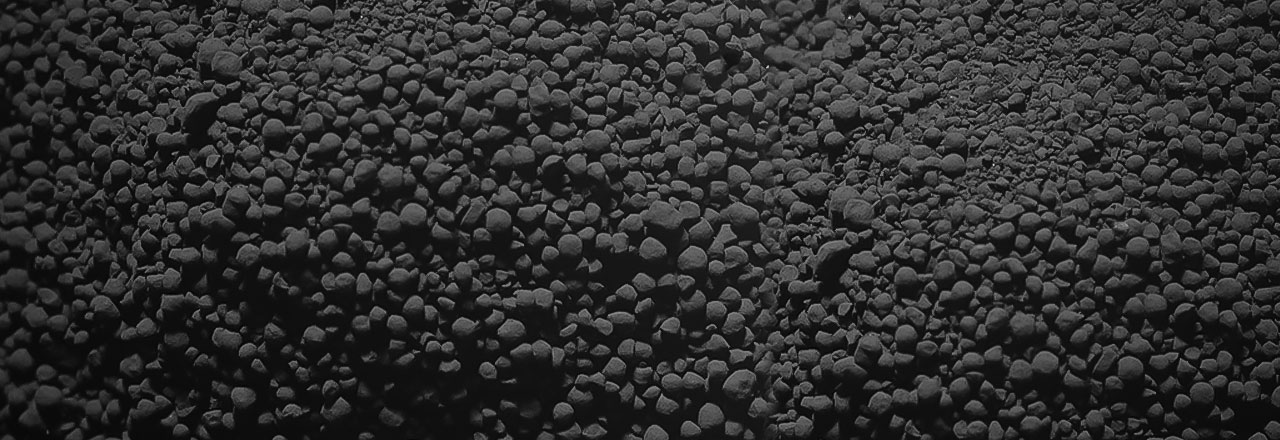
3. The process of producing activated carbon from corn
The process of producing activated carbon from corn includes several main stages:
a) Preparation of raw materials
Corn stalks or cobs are first dried and crushed and then carbonized at high temperatures (300 to 600 °C) in an oxygen-free environment to produce carbonaceous raw materials.
b) Activation
There are two main activation methods:
-
Physical activation : Heating the carbon material with steam or carbon dioxide to temperatures between 700 and 900 degrees Celsius. This process opens the pores and increases the specific surface area.
-
Chemical activation : Before the carbonization process, chemicals such as potassium hydroxide (KOH), sodium hydroxide (H₃PO₄), and zinc chloride (ZnCl₂) are used. These destroy the fibrous structure of the corn and create tiny pores.
c) Cleaning and drying
After activation, the product is washed with distilled water to remove chemical residues, then dried and processed into powder or granules for immediate use.
4. Properties of activated carbon from corn
Activated carbon obtained from corn waste has the following properties:
-
Large surface area (sometimes up to 1200 m²/g and more).
-
The pore distribution is appropriate ( small , medium and large).
-
It has excellent adsorption capacity for heavy metals, dyes and organic compounds.
-
Production costs are low compared to fossil resources.
-
Renewable and environmentally friendly.
Jacobi GXB water-absorbing material
5. Use activated charcoal made from corn.
a) Water purification
One of the most important applications is the absorption of water pollutants:
-
Removes heavy metals such as lead and mercury.
-
Absorbs dyes and industrial chemicals.
-
Reduces organic compounds and unpleasant odors.
b) Air purification
Activated carbon made from corn is capable of absorbing harmful gases such as formaldehyde, hydrogen sulfide and volatile organic compounds.
c) Food industry
-
The sugar has changed color.
-
Absorbs odors and impurities in drinks.
d) Pharmacy and Medicine
-
For use in hemodialysis filters.
-
Absorption of toxins in emergency therapy (oral activated charcoal).
d) Chemical industry
-
Motivator or motivational supporter.
-
Solvent recovery.

6. Advantages and disadvantages of activated carbon from corn
To use
-
An inexpensive and renewable resource.
-
Reduction of agricultural waste.
-
High absorption capacity.
-
Possibility of local production in agricultural areas.
Shortage
-
The production process must be strictly controlled.
-
The quality of the final product may vary.
-
In some cases, chemical activation can be expensive.
7. Future prospects
Given the increasing demand for environmentally friendly materials, producing activated carbon from corn waste is a promising option. New research shows:
-
Atom-based nanocarbon .
-
Combination of activated carbon with nanoparticles for increased efficiency.
-
Application in energy storage systems (supercapacitors and batteries).
They have already achieved considerable success and this area is expected to become one of the leading areas in the coming years.
Frequently asked questions about granulated activated carbon
Finally
Corn-based activated carbon embodies the intelligent use of renewable resources . This material not only exhibits comparable or even superior adsorption properties to conventional activated carbon, but also contributes to the reduction of agricultural waste and environmental pollution.
Thanks to its widespread use in water and air purification, as well as in the food, pharmaceutical, and energy industries, this technology is cost-effective and consistent with the principles of sustainable development.